
Blog list
Sight To See Blog
Learn more about optometrist care in our blog!
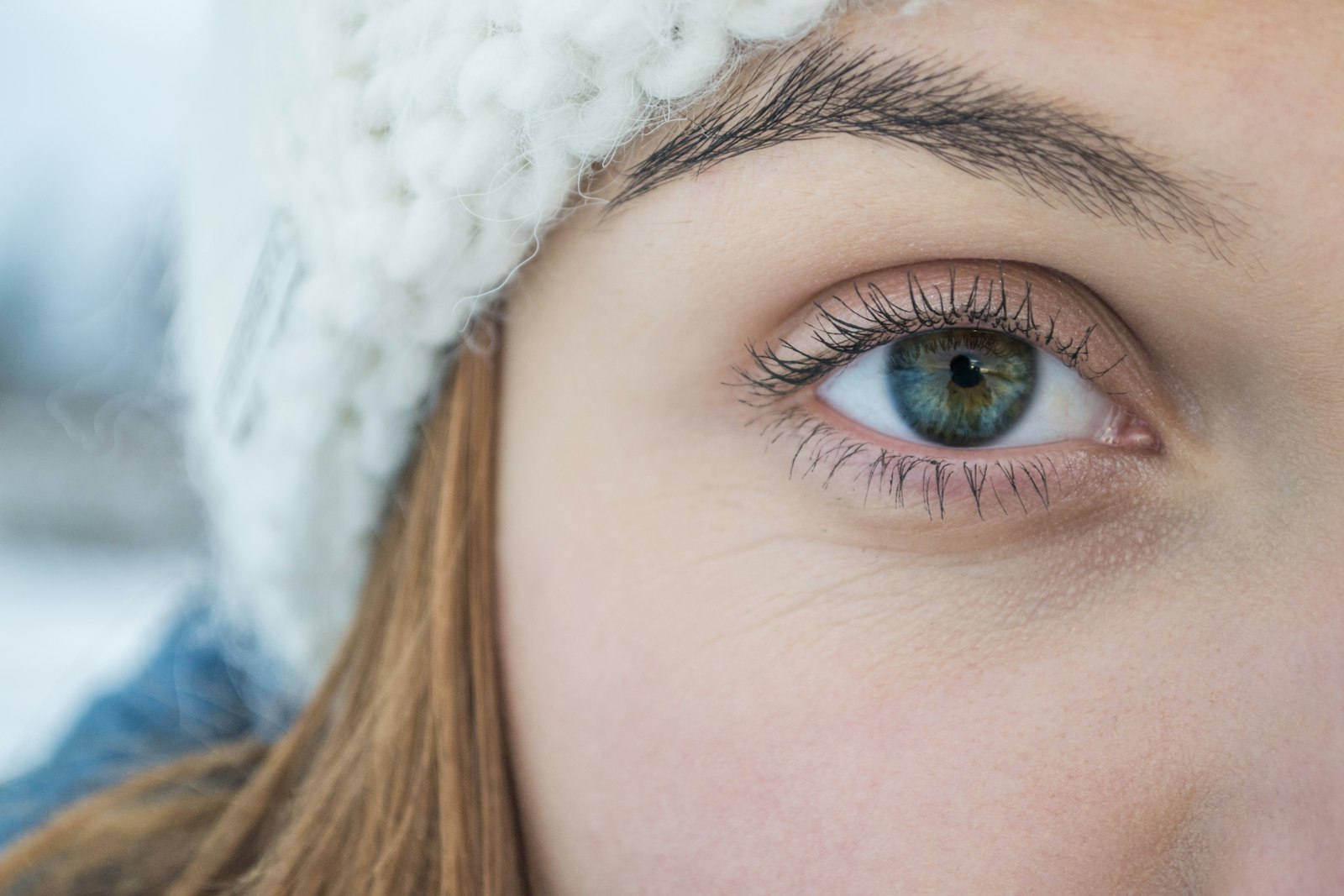
The shorter days in winter are no excuse to slack off on eye protection! The sun's UV rays can do just as much damage to our eyes on a snowy slope as they can at the beach, and sometimes more. We probably don't need sunscreen thanks to all of the layers of snow gear, but our eyes are still highly...
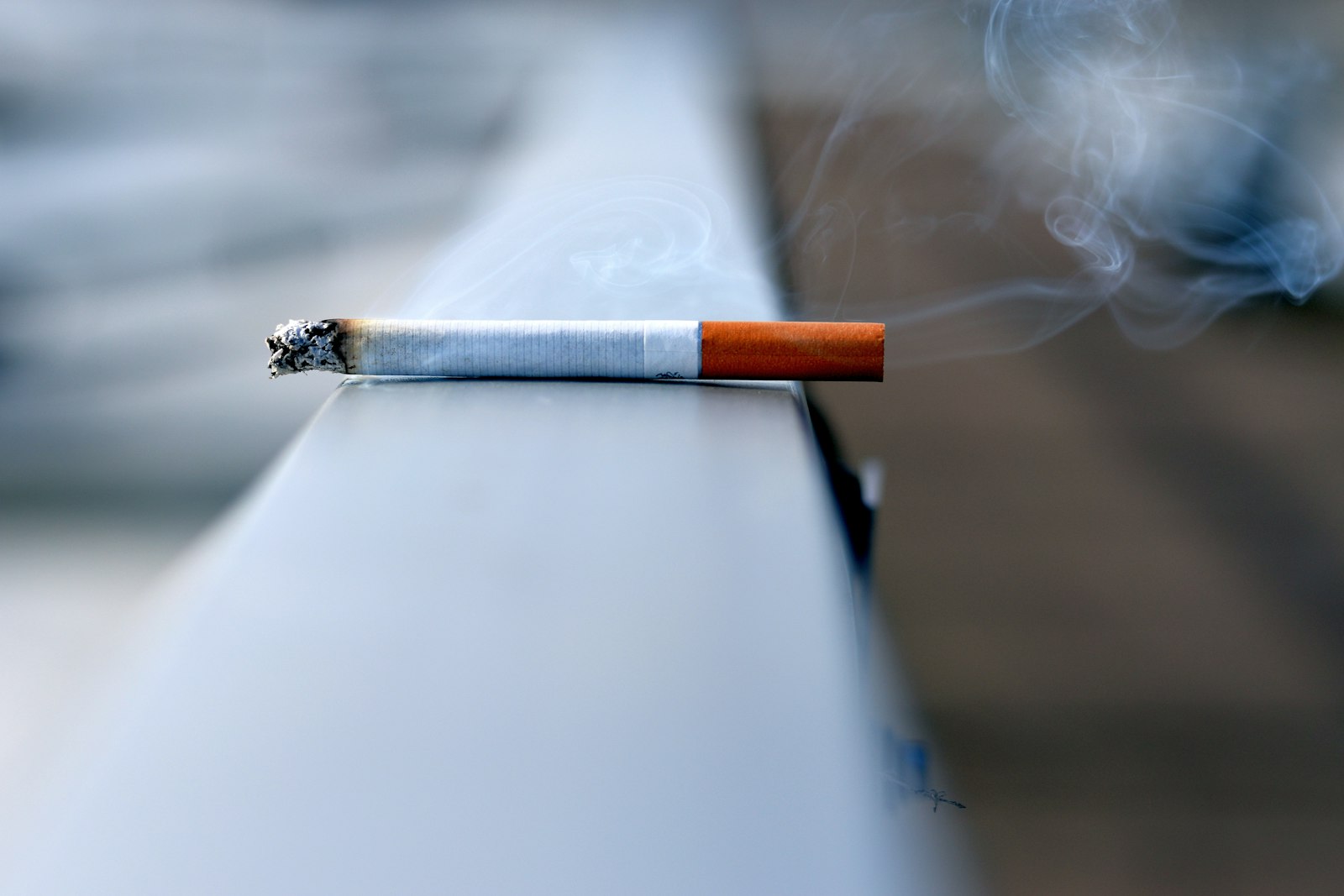
Smoking causes harm to every organ in the body, including the eyes. We usually think of lung cancer first when it comes to the harms of smoking, and maybe we think of oral health issues next, but even the parts of the body that don't come into direct contact with the smoke are in danger. Studies ...
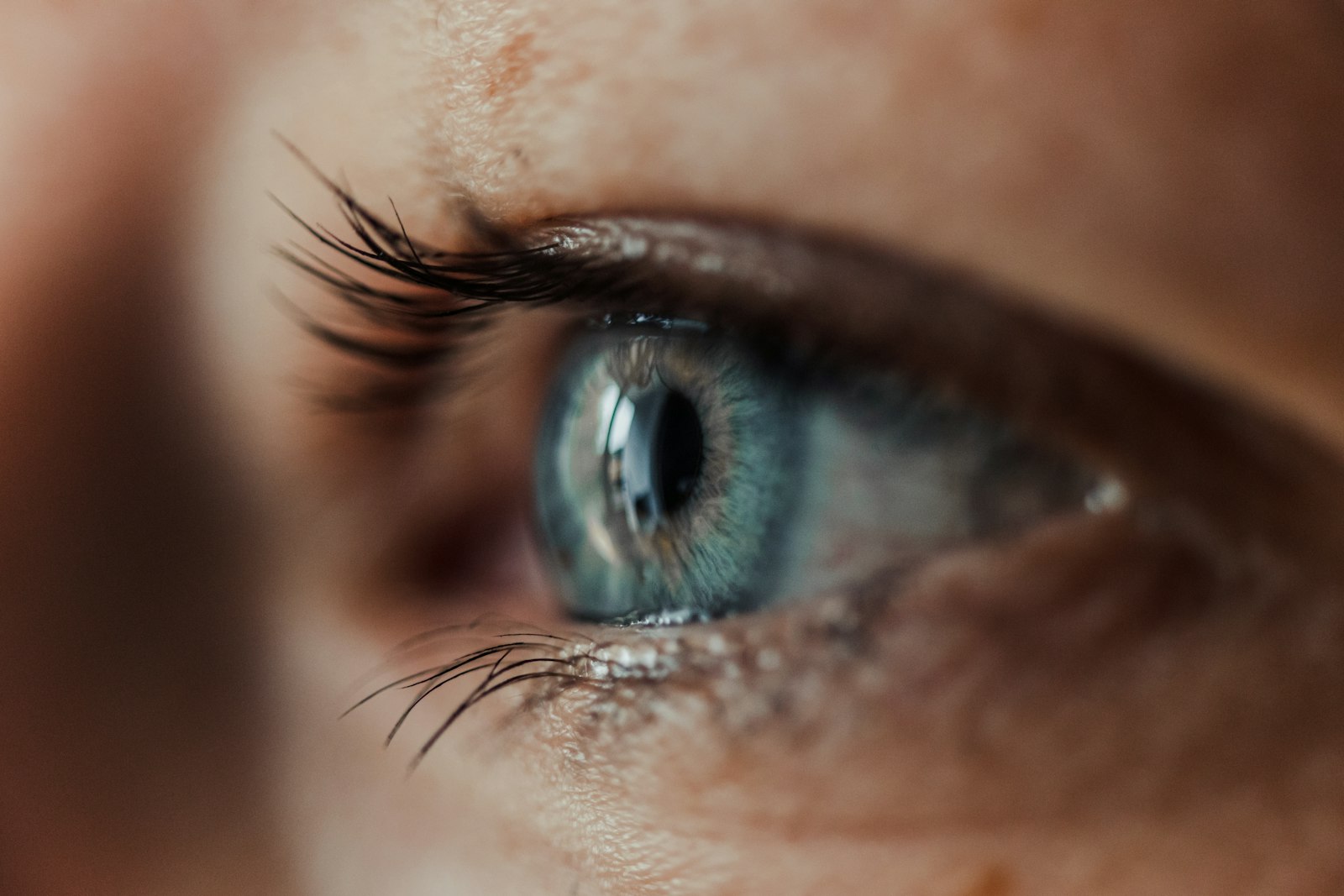
If it isn't carefully controlled, diabetes can cause a wide variety of secondary health problems. Several of those specifically affect the eyes, to the point where diabetes is one of the leading causes of blindness worldwide. All types of diabetes come with a risk of sight-threatening conditions ...
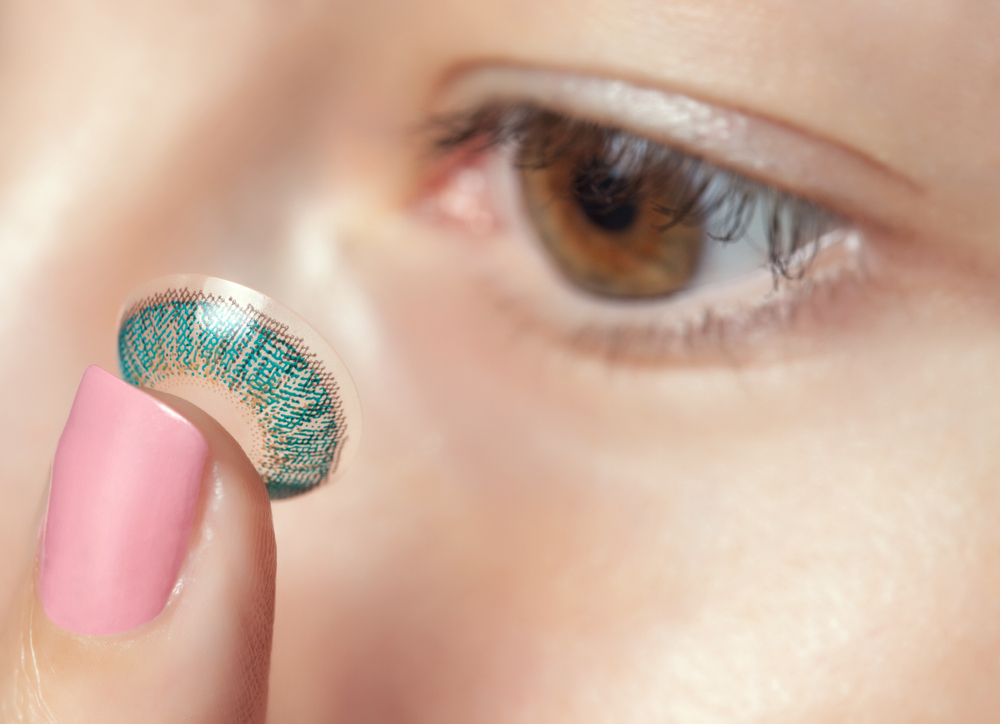
The same compound that determines our skin color also creates the variety of eye colors we see. In fact, it's the very same compound that protects our skin and eyes from getting damaged by the sun (though we still need sunglasses and sunscreen to finish the job). So how can one compound (melanin)...

In today's digital era, we are surrounded by screens, from smartphones and tablets to computers and televisions. While these devices provide convenience and entertainment, they also emit blue light, which is next to ultraviolet (UV) rays on the wavelength spectrum. Without a doubt, UV rays can harm the eye, but can blue light harm the eye as well? And if so, can we just block the blue light from entering the eye? We’ve all heard of blue light filters before, but do they actually work? Read on for the answer based of the latest studies.
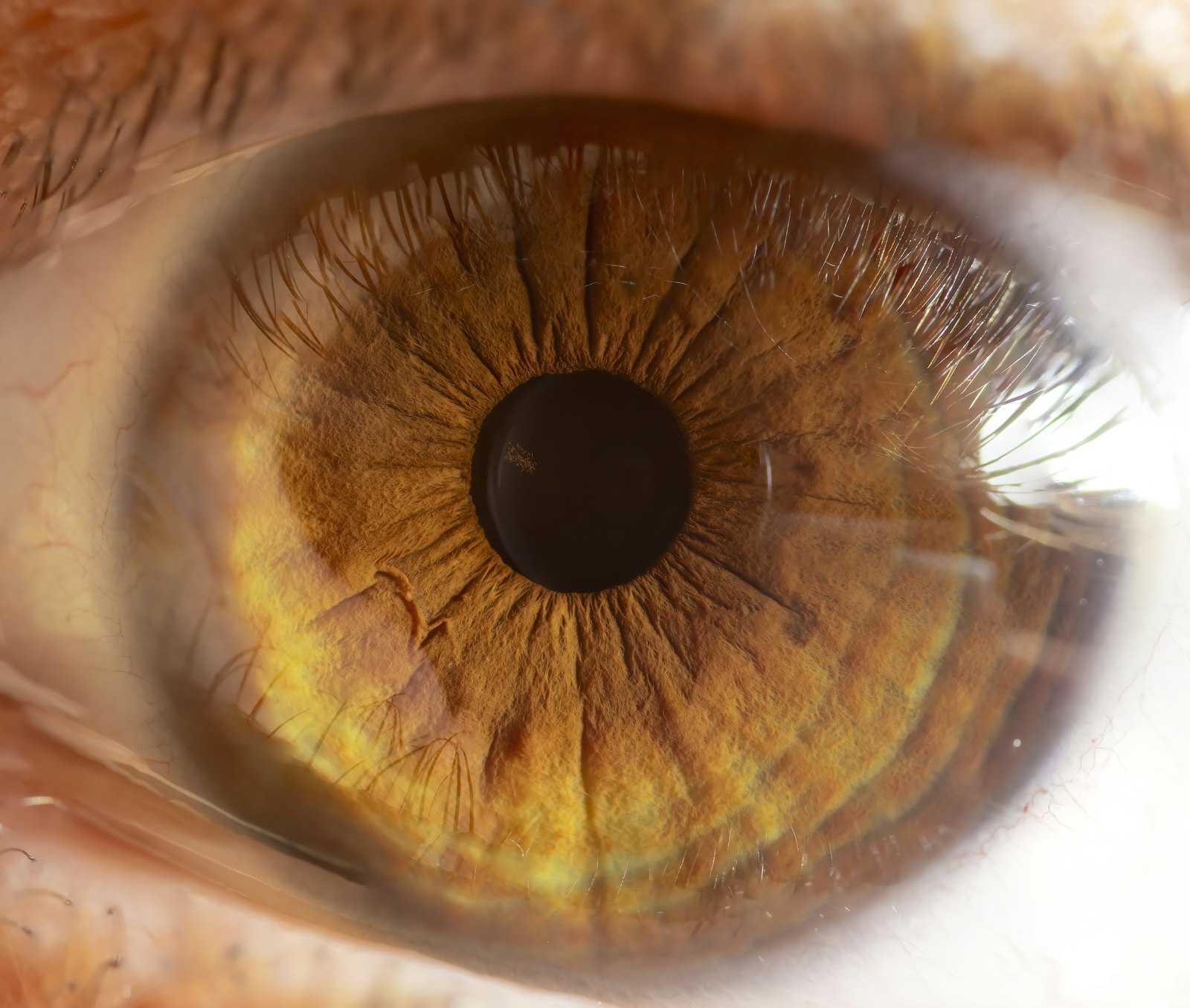
The complexity of the human eye makes it vulnerable to a variety of problems. One of the most concerning is retinal detachment, a condition that can result in permanent vision loss without treatment. This sight-threatening problem affects one in every 300 individuals at some point in their lives....
Since at least 60 AD, people have been crafting tools to correct vision problems. There are records of Roman philosopher Seneca magnifying text with a glass globe of water. Emperor Nero needed a magnifying emerald to see gladiator fights more clearly. We don't have to resort to these kinds of rud...
Insufficient sleep can affect the mind and body like alcohol, but what does it do to our eyes? For the sake of both our overall health and our eye health, we need to be getting plenty of sleep, but it's actually a two-way street. If we are more careful about what we put in front of our eyes befor...
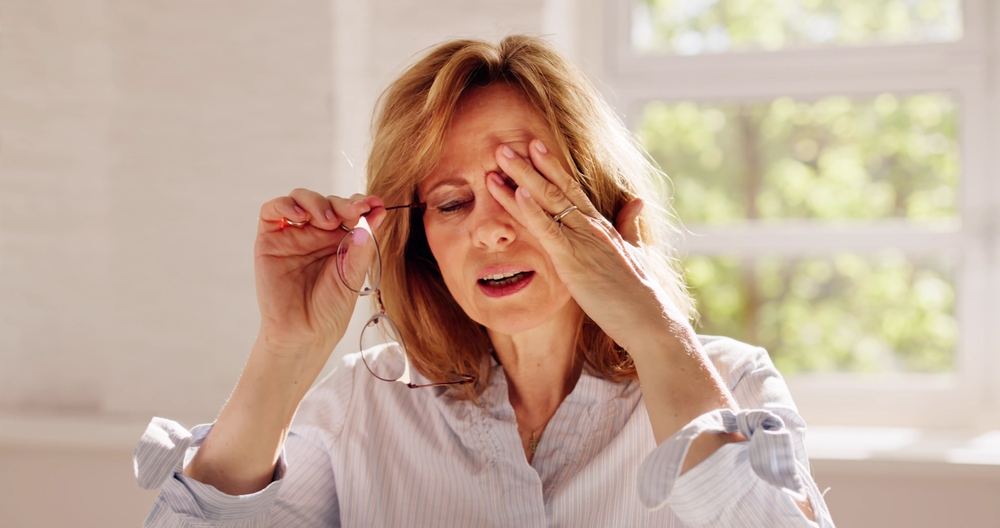
The vast majority of eye injuries (90%!) are preventable, and many of them happen at home. Broadly, the best way to prevent eye injuries is through simple precautions like minimizing unnecessary hazards around the house and yard and wearing protective gear whenever we have to work with harmful ch...

Imagine this scenario: you wake up, look at your clock, and you're late for school or work. You jump up, throw on clothes, brush your teeth, and run to your car. You turn it on and are ready to speed to work, but your window is fogged up and/or has frost on it, and you can’t see through it! Here in Chicagoland, we’ve all been through this at least once before. Well, looking through that foggy window is similar to how cataracts can affect your eyesight.


MAP
CONTACT INFORMATION
HOURS OF OPERATION
Monday 10:30am - 7:00pm
Tuesday 8:00am - 5:00pm
Wednesday 8:00am - 5:00pm
Thursday 8:00am - 5:00pm
Friday 8:00am - 2:00pm
Saturday Closed
Sunday Closed

Powered by: 
