
Blog list
Sight To See Blog
Learn more about optometrist care in our blog!

Have you ever noticed a flickering spot of light that gradually expands until it dominates your field of vision? If so, you may have encountered an ocular migraine. This phenomenon can be quite unsettling if you're not familiar with what's occurring, and somewhat confusingly, it isn't always asso...
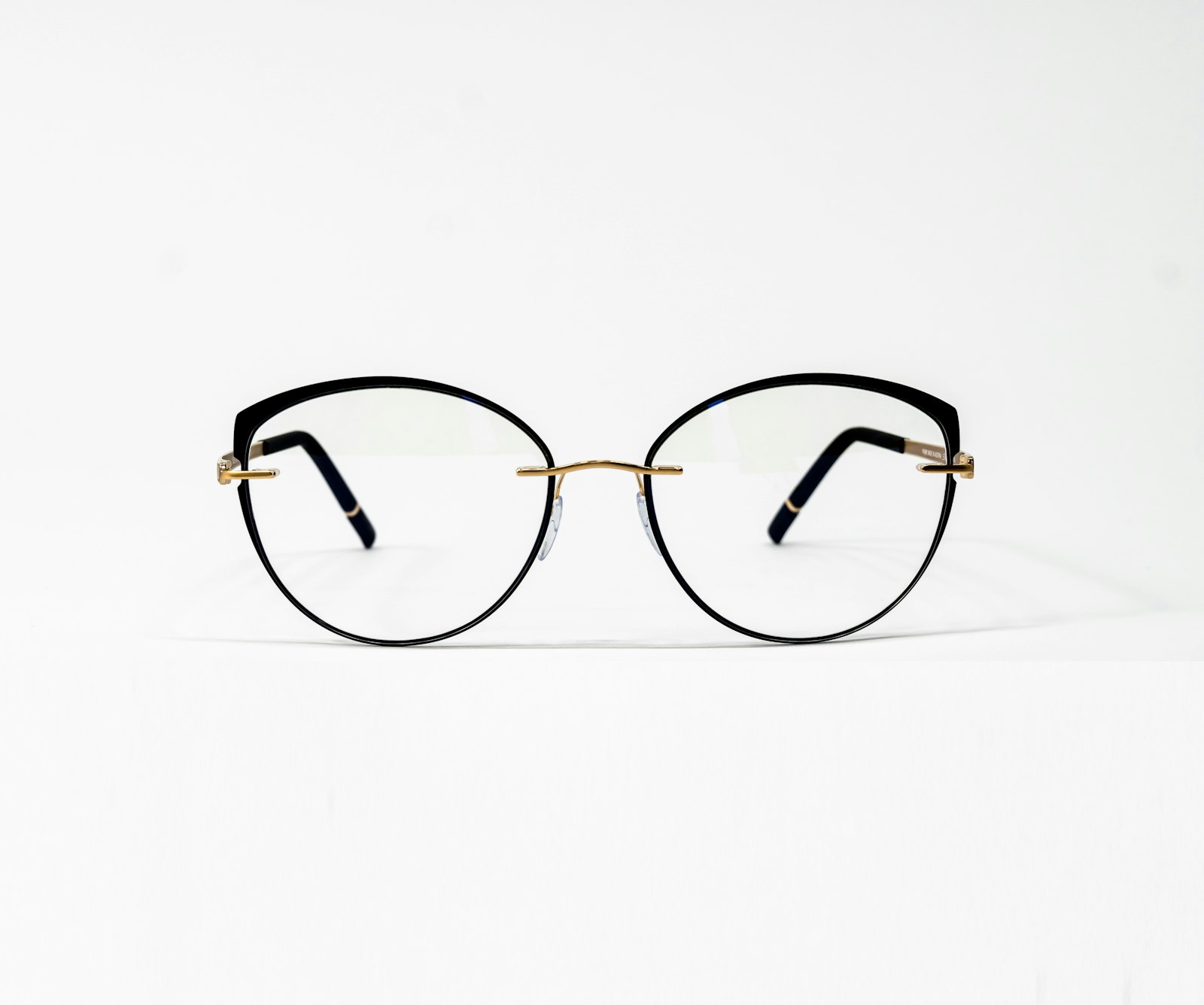
When choosing your next pair of glasses, what factors influence your decision? Consider adding your face shape to that list. Glasses are not just functional; they serve as a customizable element of your facial expression and are a distinctly visible part of your look. They provide a brilliant opp...
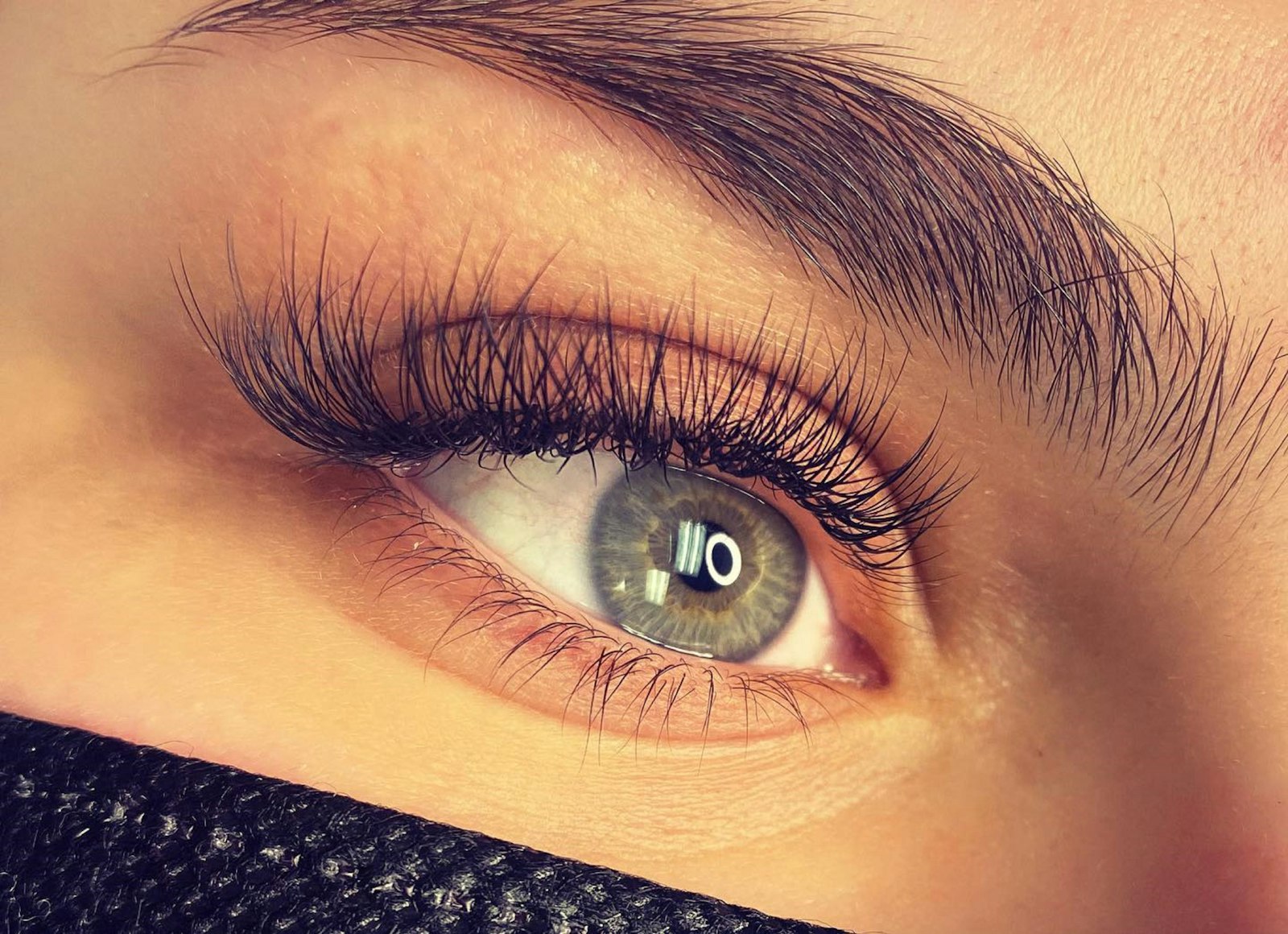
Eyelashes and eyebrows do much more than enhance our looks. Far from just being accessories for conveying emotions or casting playful looks, they play a vital role in eye health. Serving as a primary protective barrier, they help keep airborne particles and environmental threats at bay, safeguard...

Summer is coming, bringing with it extended daylight hours and abundant sunshine! With the arrival of the warmer months, many of us find ourselves spending more time outdoors. This increased exposure to sunlight also increases our exposure to harmful UV radiation. It's crucial to protect our eyes...
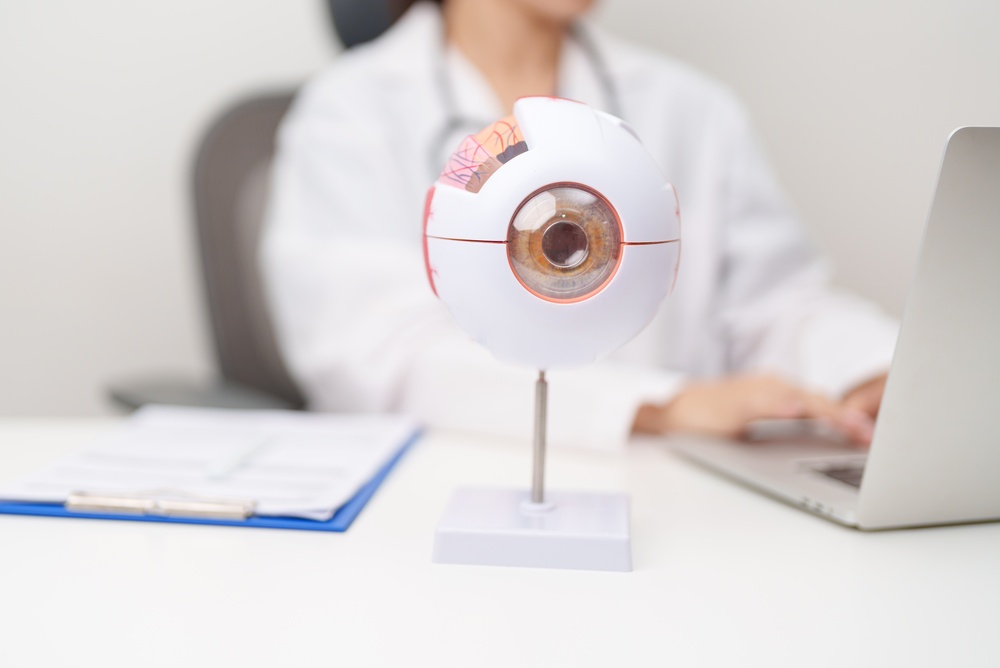
Do you recall learning about eye anatomy in biology class? Whether you're well-versed in the topic or didn't delve into it much, we're passionate about keeping our patients well-informed on everything related to the eyes. Within a space not much larger than a golf ball, our eyes convert light pho...

It might surprise you how different eyesight and eye health can be between the sexes. For instance, men are at a higher risk of sustaining serious eye injuries, while women are generally more susceptible to various eye diseases. Given these distinctions, what steps can both men and women take to ...

Visual skills are the unsung heroes in athletic performance. When envisioning the quintessential athlete, attributes like speed and strength typically dominate our perceptions. However, just as vital, yet often overlooked, are an athlete's visual skills. The ability to rapidly process and react t...
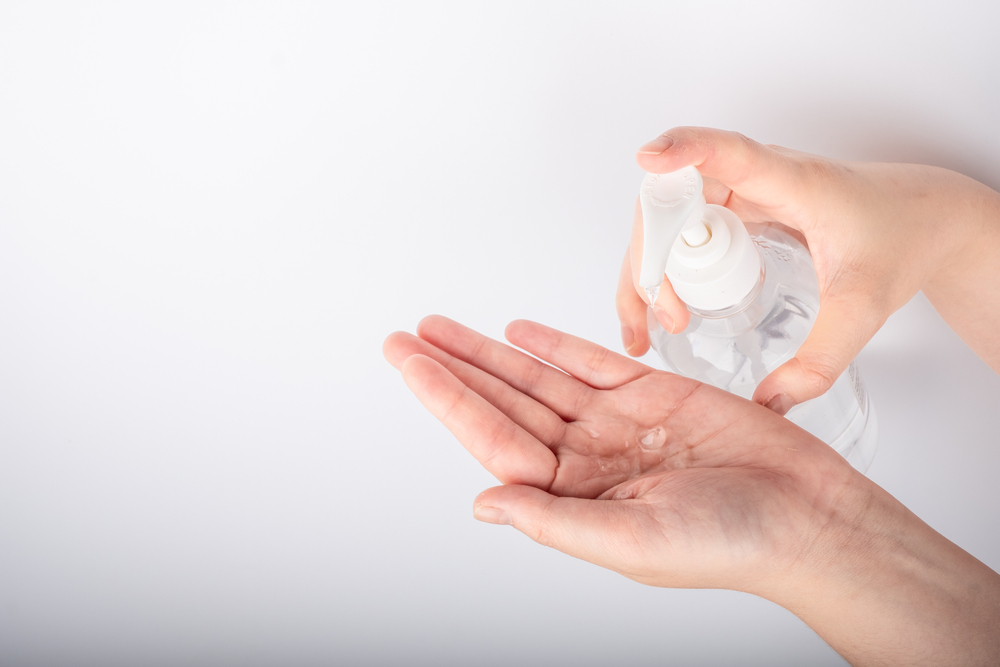
When we rub our eyes, we might be jeopardizing our eye health. Rubbing our eyes is often an automatic response during moments of fatigue, discomfort from a foreign object, or sensations of dryness and itchiness. While it might seem like a quick fix, this action can actually escalate the issue. Th...
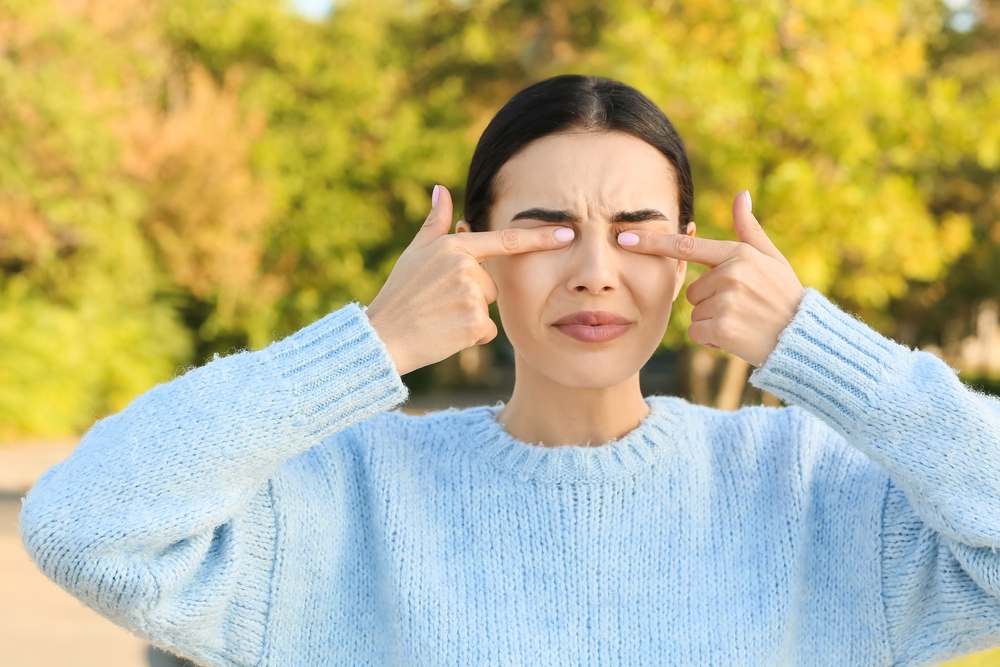
It's hard to enjoy the sights and smells of springtime through seasonal allergies. Nearly one in every four people (kids and adults alike) experience seasonal allergies. What exactly causes these symptoms, such as redness, puffiness, and itchiness in our eyes during spring? While allergies are a ...

Your eyes are complex organs that require a variety of nutrients to function optimally. Maintaining your vision and eye health is not merely a matter of getting enough rest or ensuring you have the correct prescription for your glasses. It's also about providing your body with the right fuel to support these vital organs. Your lifestyle choices, including your diet, have a significant impact on your overall eye health.


MAP
CONTACT INFORMATION
HOURS OF OPERATION
Monday 10:30am - 7:00pm
Tuesday 8:00am - 5:00pm
Wednesday 8:00am - 5:00pm
Thursday 8:00am - 5:00pm
Friday 8:00am - 2:00pm
Saturday Closed
Sunday Closed

Powered by: 
