
When You Should See an Eye Doctor for Pink Eye
Understanding Pink Eye
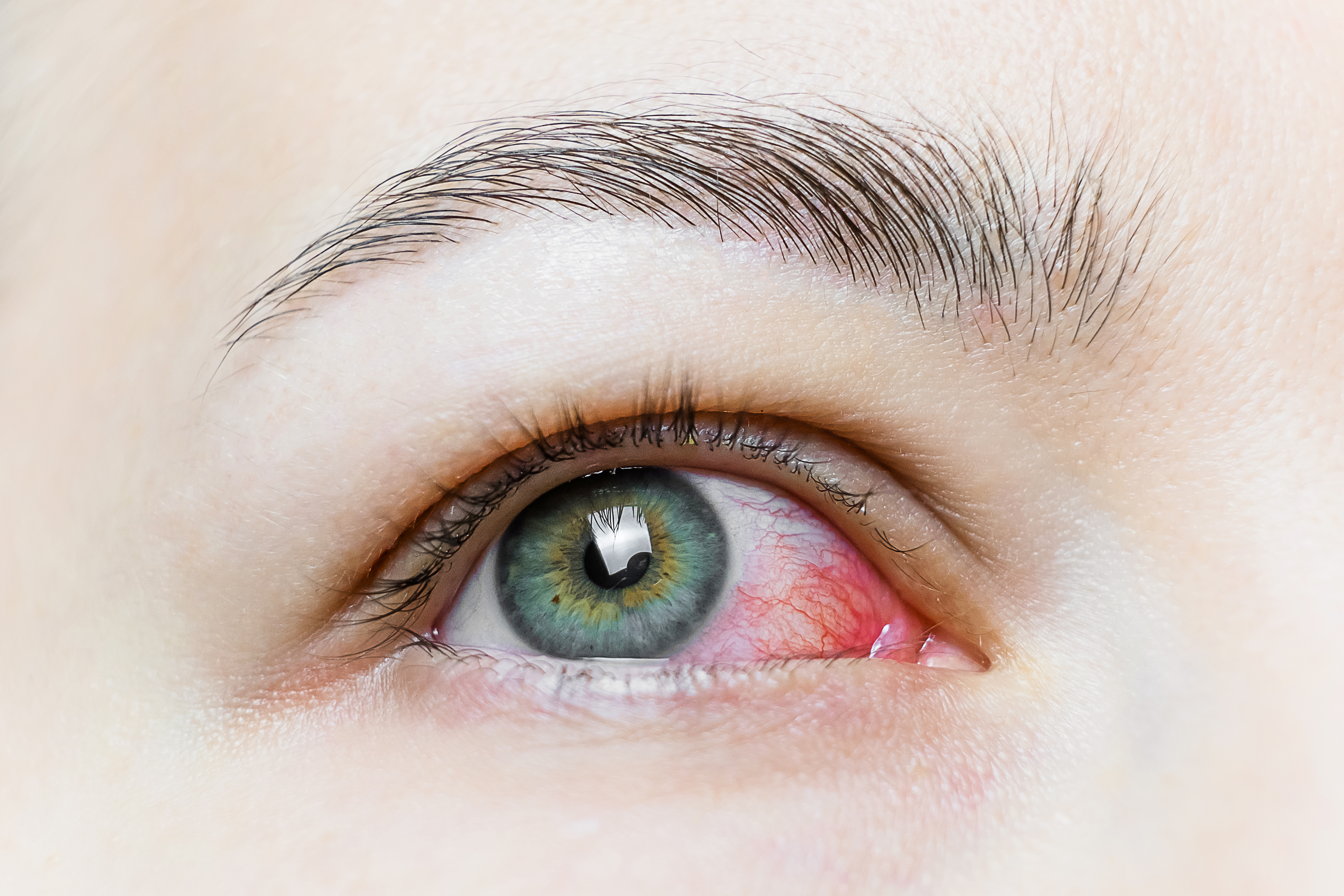
Pink eye, also called conjunctivitis, is inflammation of the clear tissue that covers the white part of the eye and the inside of the eyelids. It can cause redness, irritation, watering, discharge, itching, or a gritty feeling. Some cases are mild, but others need medical attention to prevent complications or spreading the infection.
At Sight To See Eyecare & Eyewear in Geneva, IL, we evaluate pink eye symptoms and help determine whether the cause is viral, bacterial, allergic, or related to another eye condition. Since different types of pink eye require different care, an eye exam can help guide the safest treatment.
Why Pink Eye Has Different Causes
Not every red or irritated eye is the same. Viral pink eye is often linked to colds or upper respiratory infections and can spread easily. Bacterial pink eye may cause thicker yellow or green discharge and may require prescription treatment. Allergic conjunctivitis is often triggered by pollen, dust, pet dander, or seasonal allergies and may affect both eyes.
Other eye problems can also look like pink eye, including dry eye, contact lens irritation, corneal scratches, eye inflammation, or more serious infections. For patients in Geneva, seeing an eye doctor can help avoid treating the wrong condition.
Symptoms That Should Be Checked Promptly
Some pink eye symptoms can be managed with supportive care, but certain signs should not be ignored. If symptoms are intense, worsening, or affecting vision, it is important to schedule an eye exam.
You should see an eye doctor for pink eye if you notice:
- Eye pain or significant discomfort
- Blurry vision or sudden changes in vision
- Light sensitivity
- Thick yellow or green discharge
- Symptoms that worsen after 24 to 48 hours
- Redness after an eye injury
- Pink eye symptoms while wearing contact lenses
- Swelling around the eye or eyelids
- Symptoms in a newborn or young child
These signs may suggest a more serious infection, corneal involvement, or another issue that needs prompt treatment.
Pink Eye and Contact Lens Wearers
Contact lens wearers should be especially cautious with pink eye symptoms. Redness, pain, discharge, or light sensitivity while wearing contacts can sometimes indicate a corneal infection, which needs timely care. Continuing to wear lenses during an active infection can worsen irritation and increase the risk of complications.
If you wear contact lenses and develop pink eye symptoms in Geneva, remove your lenses and schedule an eye exam before wearing them again. Your eye doctor can check the cornea, recommend treatment if needed, and let you know when it is safe to resume contact lens use.
How an Eye Doctor Diagnoses Pink Eye
During a pink eye evaluation, we review your symptoms, health history, exposure risks, and whether one or both eyes are affected. We also examine the eye’s surface, eyelids, tear film, and cornea to look for signs of infection, inflammation, allergy, or injury.
This exam helps determine whether medication is needed or whether supportive care, hygiene steps, or allergy management may be more appropriate. It also helps prevent unnecessary antibiotic use when the cause is not bacterial.
Preventing Pink Eye From Spreading
Pink eye can be contagious depending on the cause. Practicing good hygiene can help protect family members, coworkers, classmates, and others in the community.
Wash your hands often, avoid touching or rubbing your eyes, do not share towels or makeup, and replace eye cosmetics if they may be contaminated. If your child has pink eye, your eye doctor can provide guidance on when it may be appropriate to return to school or daycare.
Why Prompt Care Matters
Prompt eye care can reduce discomfort, protect your vision, and help prevent pink eye from spreading when it is contagious. It can also uncover other conditions that may need faster treatment. A red eye should never be ignored if it comes with pain, vision changes, light sensitivity, or contact lens-related symptoms.
For pink eye treatment and comprehensive eye care in Geneva, IL, contact Sight To See Eyecare & Eyewear at 2401 Kaneville Road, Ste 8 by calling or texting (331) 267-7500.


MAP
CONTACT INFORMATION
HOURS OF OPERATION
Monday 10:30am - 7:00pm
Tuesday 8:00am - 5:00pm
Wednesday 8:00am - 5:00pm
Thursday 8:00am - 5:00pm
Friday 8:00am - 2:00pm
Saturday Closed
Sunday Closed

Powered by: 
