

Blog list
Sight To See Blog
Learn more about optometrist care in our blog!

As we get older, our bodies undergo various changes and our eyes are no exception. One common age-related condition that will eventually affect all individuals is presbyopia. If you've noticed that it's becoming increasingly difficult to focus on objects up close, you may be experiencing the effects of presbyopia. Fortunately, there are numerous glasses options available specifically designed to address this condition and provide clear vision at all distances.
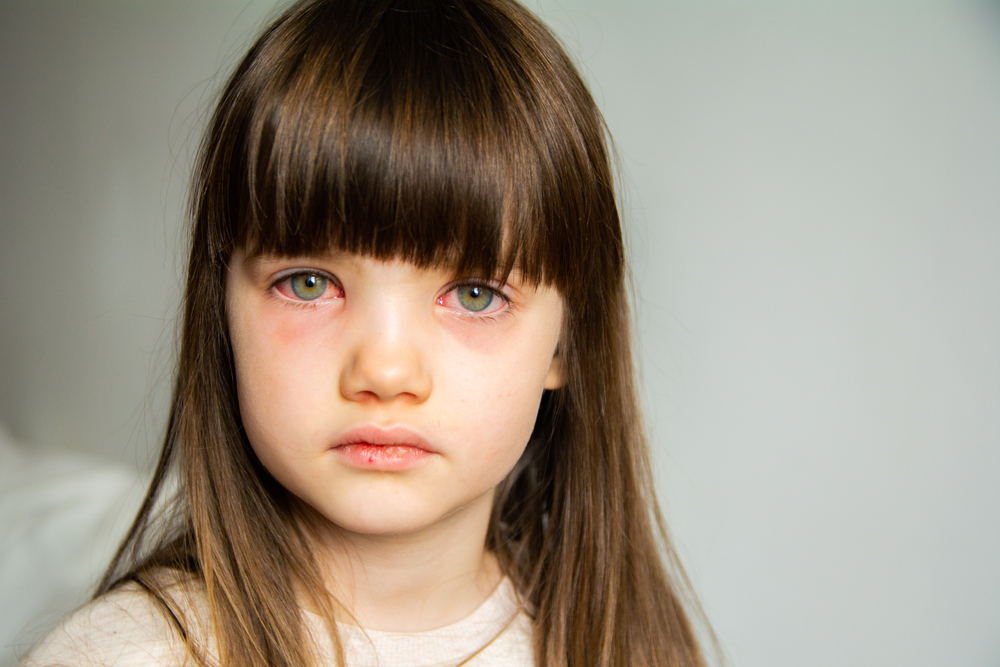
Pink eye is one of the most common eye infections we can get. Pink eye or conjunctivitis is characterized by redness in the whites of the eyes, accompanied by itchiness and discharge (which could be watery or thick and yellowish). Conjunctivitis is the inflammation of the conjunctiva, which is th...
Do you know why people say carrots will give you good night vision? It’s actually a leftover piece of World War II British misinformation to trick the Germans. The British had just developed radar and didn’t want the Germans finding out how they were locating their planes at night, so they sp...

The first and last thing many people know about good eyesight is 20/20 vision. Contrary to popular understanding, however, having 20/20 vision isn’t the entire story of healthy eyesight. It’s only a tiny fraction; it simply means that you can see something clearly from 20 feet away without gl...

New to wearing glasses? They’re going to change your life in some not-so-obvious ways. A lot of those changes are silly little things that never would’ve occurred to you before you started wearing them. How many on our list can you already check off? 1. Fog, Steam, and Humidity Woes If you’...

We’ve all noticed them before: little squiggly lines floating in our vision that seem to always run away whenever you try to look at them. While commonly referred to as “floaters”, they are actually little strands broken off of the vitreous, which is the jelly-like substance that fills the eye. And although floaters are generally harmless, understanding what they are and when you should be concerned is crucial for maintaining optimal eye health.
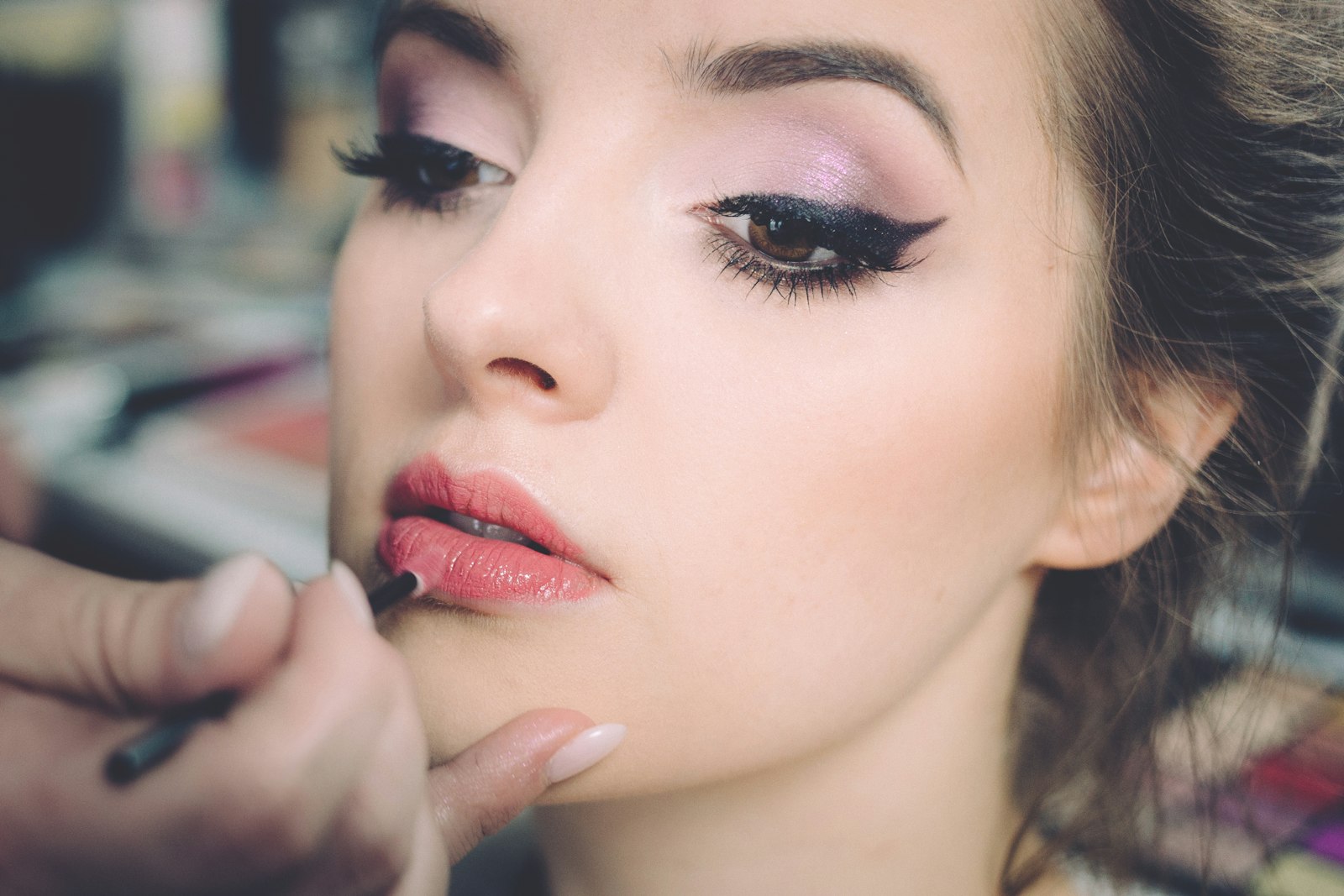
It can be a challenge to choose the right makeup to flatter your facial features. For glasses-wearers, it can be even trickier. How can you adapt your makeup strategy to complement your glasses too, especially if your prescription is strong enough that your eyes appear either unusually large or u...
Staying active is great for our overall health, but it’s also good for our eye health. Eating well, sleeping enough, and getting exercise makes it easier to stay in shape, feel healthy, and grow stronger, and it also reduces the risk of developing chronic diseases, including high blood pressure...
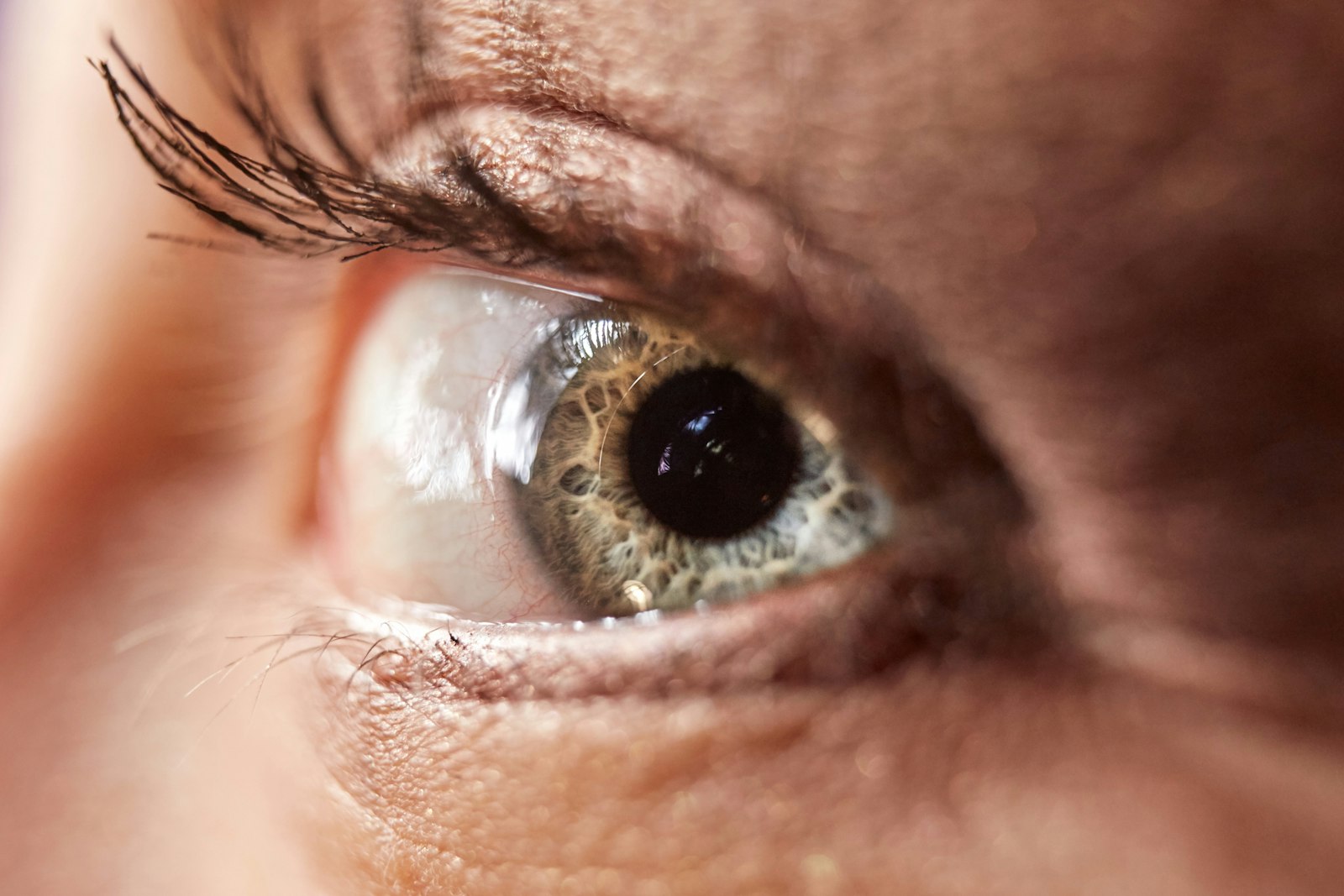
Cataracts have been the leading cause of blindness all throughout history. In all that time, treatment for cataracts has unsurprisingly come a long way. Over 20 million American adults over the age of 40 will develop cataracts, and half will have them by age 80 — and that’s just Americans! Wh...
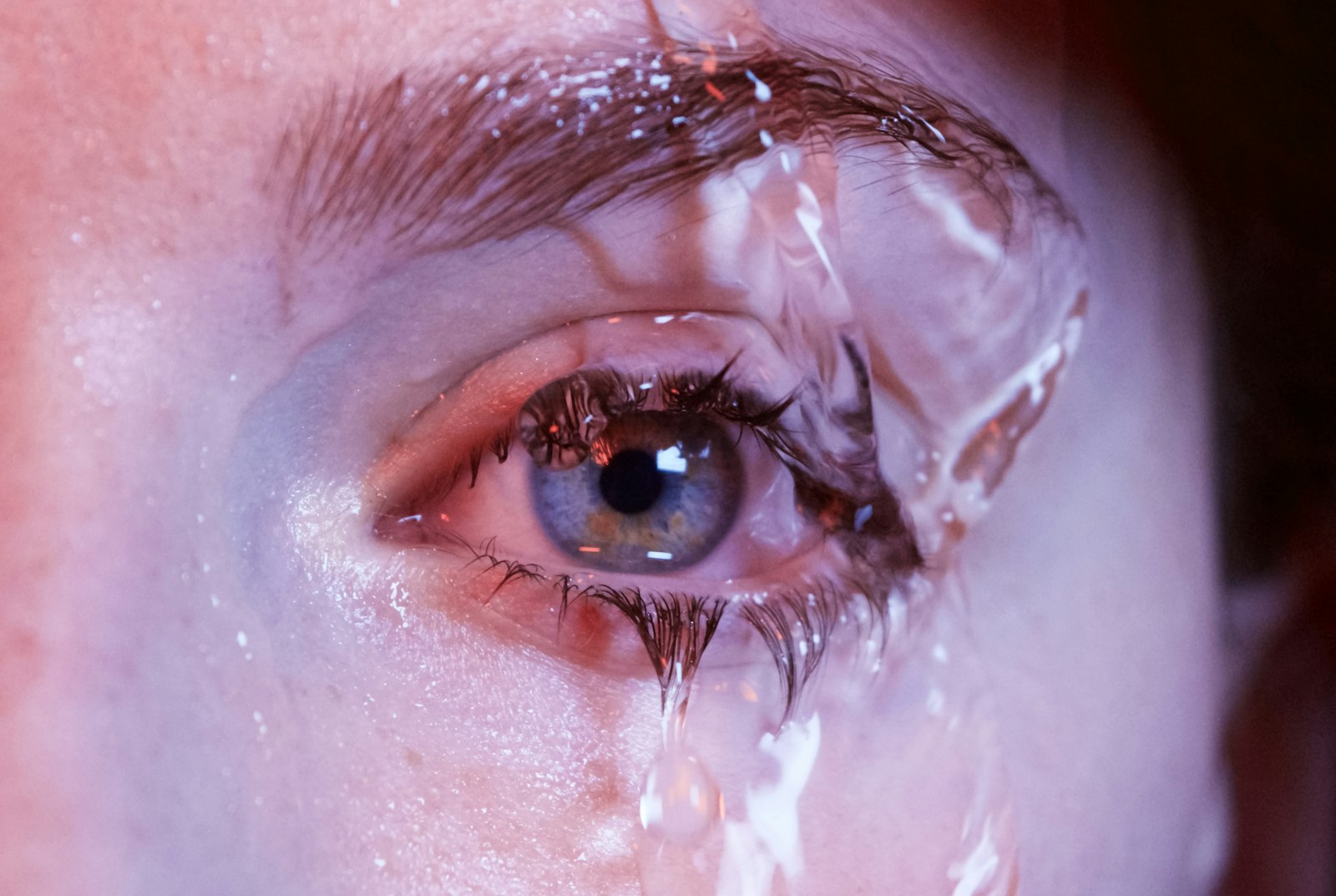
It’s summertime and that means lots of us are going to be spending as much time in the water as we can. Before you dive in, we recommend learning a little about some eye safety considerations that come with water activities (whether you prefer a pool, river, lake, ocean, water park, or backyard...


MAP
CONTACT INFORMATION
HOURS OF OPERATION
Monday 10:30am - 7:00pm
Tuesday 8:00am - 5:00pm
Wednesday 8:00am - 5:00pm
Thursday 8:00am - 5:00pm
Friday 8:00am - 2:00pm
Saturday Closed
Sunday Closed

Powered by: 
